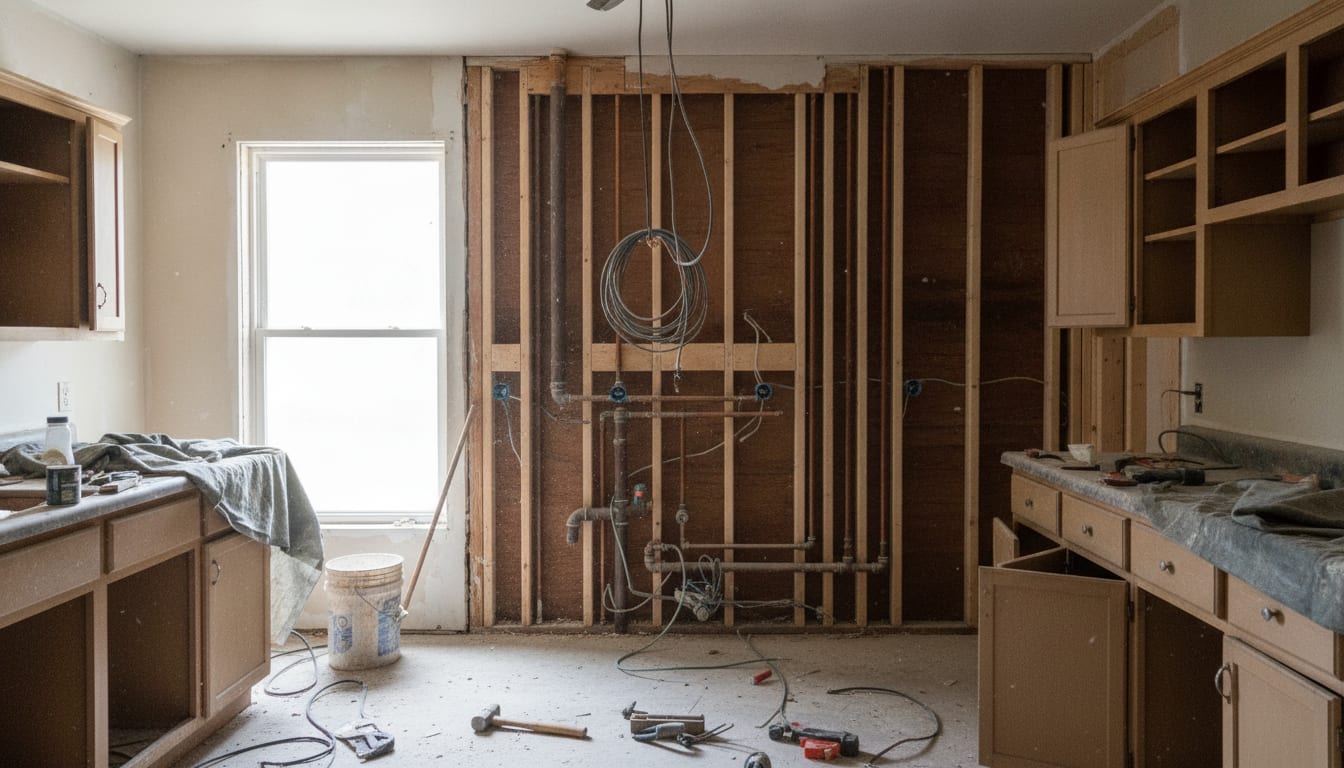
A kitchen remodel is one of the most exciting projects a homeowner can take on, but it also raises a practical question early on: will this need a permit? If you're planning a kitchen update anywhere in the Austin area, it helps to understand the basics before you get too far into design decisions.
Why Permits Exist
Permits aren't about red tape for its own sake. They exist so that any work touching plumbing, electrical, gas or structural elements of your home gets reviewed against current safety codes. For a kitchen, that matters more than people expect, because kitchens are one of the most utility-dense rooms in a house. Water lines, gas lines, dedicated electrical circuits and ventilation all come together in a relatively small footprint.
What Usually Triggers a Permit
Every city and county has its own process, and requirements can vary by jurisdiction within the greater Austin area, so nothing here should be taken as a guarantee for your specific address. That said, there are common categories of kitchen work that typically draw permit attention:
Moving or Adding Plumbing
If your remodel moves the sink, adds a second sink, relocates the dishwasher hookup, or changes where water supply and drain lines run, that's the kind of change that often needs a plumbing permit. Simply swapping a faucet or replacing a garbage disposal in the same location is a different story than rerouting pipes.
Electrical Changes
Kitchens draw a lot of power: refrigerators, ovens, microwaves, dishwashers and small appliances often run on dedicated circuits. Adding outlets, moving a circuit, installing new under-cabinet or pendant lighting, or upgrading your panel to support a new range can all fall under electrical permitting. This is one area where it genuinely pays to have a licensed professional involved, both for safety and for code compliance.
Gas Line Work
If you're switching to a gas range, relocating a gas line, or adding a line for an outdoor kitchen off the same system, that almost always involves a permit. Gas work is not a place for guesswork. If you ever smell gas in your home, leave the house and call your utility provider or 911 before doing anything else.
Structural Changes
Many Austin homeowners want to open up a closed-off kitchen to create a more connected living space. That often means removing or altering a wall, which can affect load-bearing structure. This category reliably requires a permit and an engineer's input, especially in older Austin bungalows and ranch homes where original framing wasn't built with today's open layouts in mind.
Ventilation and Exhaust
New or relocated range hoods that vent to the exterior can also require a permit, particularly if ductwork has to be run through walls, ceilings or the roofline.
What Typically Doesn't Require One
Cosmetic changes are usually the lighter lift. Repainting cabinets, replacing countertops without moving plumbing, swapping a backsplash, or installing new cabinet doors in the same footprint often fall outside permit requirements. But